





Understanding Energy Drinks: A Practical Guide to Boosting Energy Levels

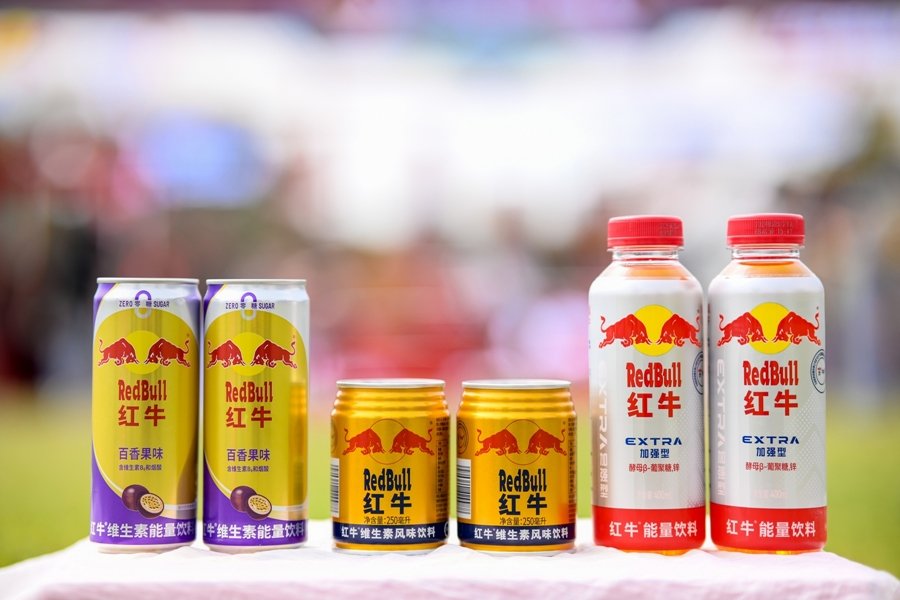
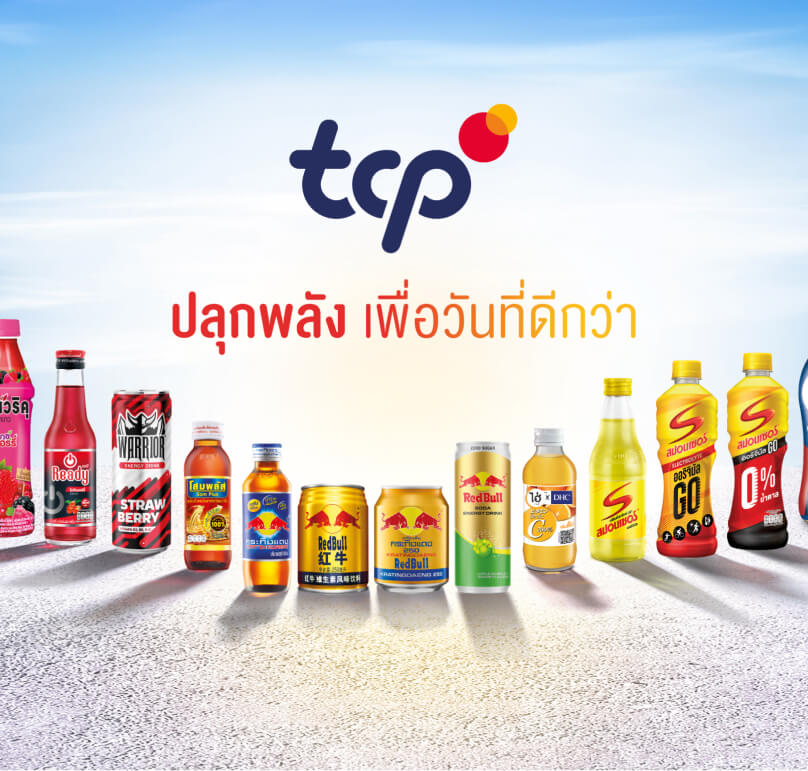
When discussing energy drinks, many people may associate them with consumption only during physically demanding labor or as a means of staying awake for late-night activities. In reality, beverages in this category have undergone continuous reformulation over recent years. As a result, many beverage manufacturers, including TCP Group, have expanded the image of this product category toward “Energy Drinks” that not only provide an energy boost but also contain beneficial vitamins, thereby catering to the lifestyles of a wider range of modern consumers.
This article invites readers to become more familiar with energy drinks and to fact-check key points one by one in order to reassess common perceptions and reposition these beverages as a supportive source of energy for the body.
Energy Drinks Explained: How They Help Reduce Fatigue and Enhance Alertness
Energy drinks contain key ingredients such as caffeine, taurine, B vitamins, and sugar, which work together like an energy-activating switch that helps restore a sense of refreshment. This leads to feelings of increased alertness, greater activity levels, and reduced drowsiness. Energy drinks can also be helpful when sustained focus is required, such as during intensive study sessions, late-night work, or prolonged periods of concentration without interruption.
Four Common Misconceptions About Energy Drinks and the Facts Behind Their Ingredients
Because energy drinks are often associated with the idea of “alertness,” misunderstandings may arise regarding excessive levels of caffeine and other ingredients, leading some consumers to feel concerned when choosing to consume them. In reality, the ingredients in energy drinks are not as alarming as commonly perceived and are subject to strict regulatory control.
- Energy drinks do not contain higher caffeine levels than coffee as many assume.
The caffeine content in energy drinks is, in fact, comparable to that of a single cup of coffee. The Food and Drug Administration (FDA Thailand) regulates caffeine content as an ingredient to not exceed 50 milligrams per bottle or can, which is the same amount used in KratingDaeng beverages produced by TCP Group. By contrast, one cup of coffee (150 milliliters) contains approximately 80–100 milligrams of caffeine.
- Taurine: A prominent amino acid in modern energy beverages.
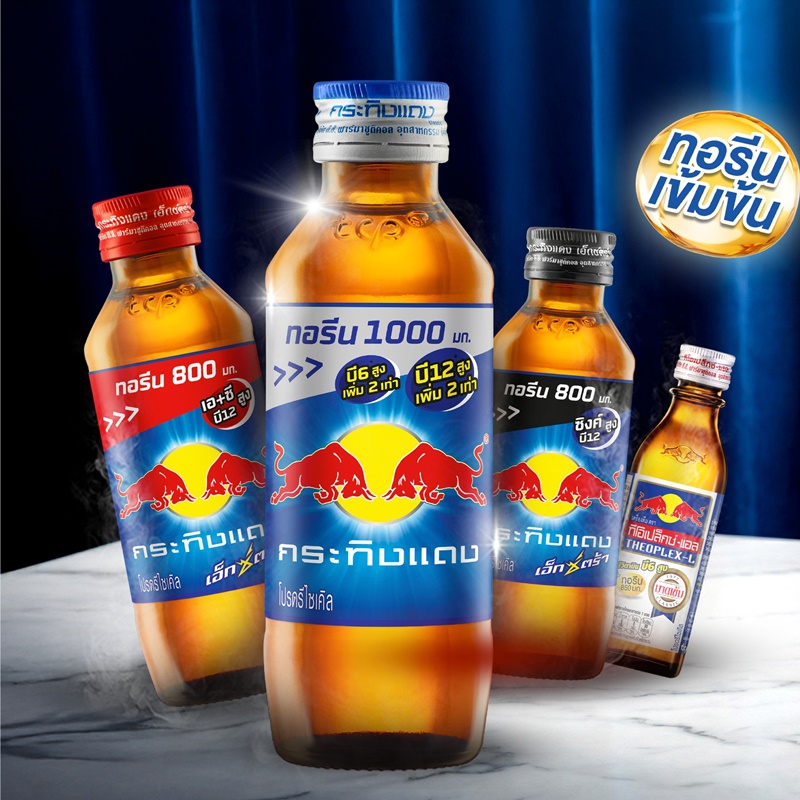
Taurine is an amino acid that the body can synthesize naturally and plays an important role in supporting the nervous system and brain during periods of fatigue, stress, or excessive energy expenditure. Under such conditions, the body may be unable to produce sufficient taurine on its own. Modern energy beverages therefore include taurine in appropriate amounts. For example, KratingDaeng beverages from TCP Group contain increased taurine across all formulations, including KratingDaeng Classic (blue cap) with 1,000 milligrams of taurine, KratingDaeng Theoplex-L with 850 milligrams of taurine, KratingDaeng Extra ABC (red cap) with 800 milligrams of taurine, and KratingDaeng Extra Zinc (black cap) with 800 milligrams of taurine.

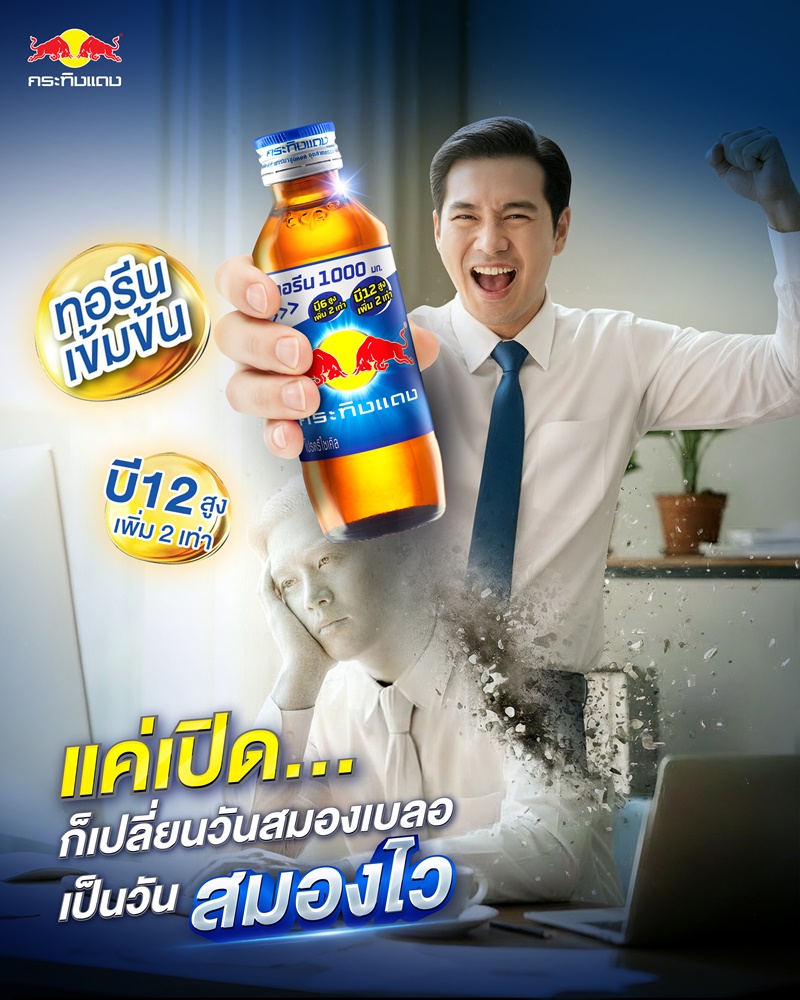
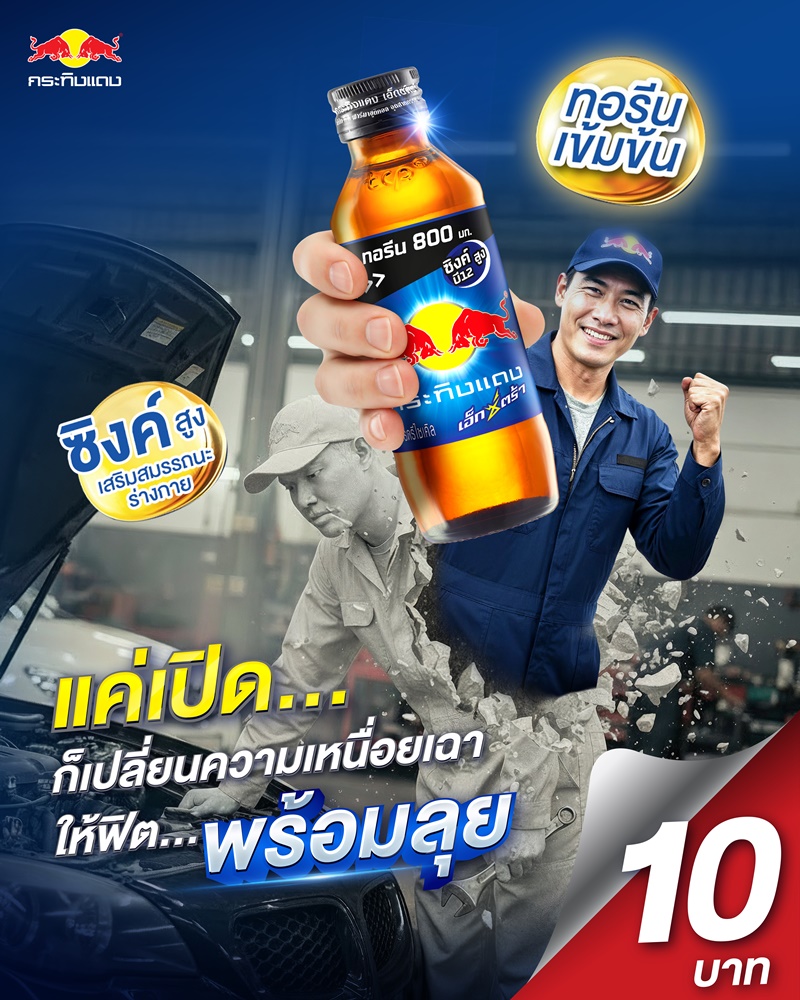
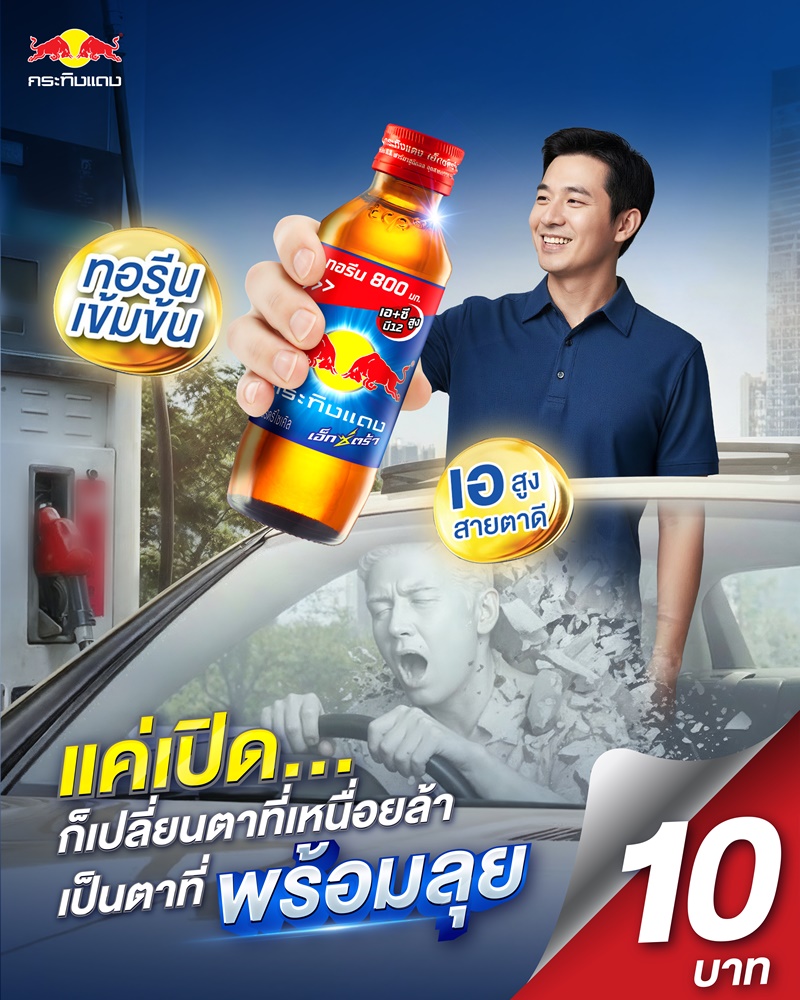
- Energy drinks contain B vitamins (B3, B6, B12), which help reduce fatigue.
These B vitamins are water-soluble and are not stored in the body. Excess amounts are excreted. B vitamins are incorporated into energy drinks because they play a direct role in energy metabolism and fatigue reduction, while also supporting the functioning of the nervous system and brain.
- Sugar in energy drinks is not the villain it is often perceived to be.
Glucose plays an important role in providing energy for the brain and promoting a sense of refreshment, particularly during periods of fatigue, such as afternoon drowsiness or after physical exertion when continued productivity is required. Contemporary energy drinks therefore contain varying sugar levels across different formulations to allow consumers to select options according to their preferences.
Summary: Energy drinks do not contain ingredients as concerning as many people believe. Rather, they consist of multiple substances that support bodily functions. These include caffeine at levels comparable to or lower than a cup of coffee, which helps reduce fatigue while increasing energy and alertness; taurine, which contributes to the functioning of the nervous and muscular systems; and vitamins B3, B6, and B12, which stimulate energy production processes and support neurological and cognitive function. Sugar, meanwhile, serves as a rapid energy source, promoting a sense of refreshment and readiness to boost energy across various activities.
Seven Precautions to Keep in Mind When Consuming Energy Drinks
- Consumption should not exceed 1–2 bottles per day in order to regulate caffeine intake within levels tolerated by the body. Adults should consume no more than 100–200 milligrams per occasion and not exceed 400 milligrams per day (Public and Consumer Affairs Division, Food and Drug Administration, 2023).
- Children and pregnant women should avoid energy drinks, as caffeine may affect fetal development and increase pregnancy-related health risks.
- Palpitations may not result from a single factor but rather from a combination of behaviors and physiological conditions at a given time. Individual sensitivity to caffeine varies. Some people may experience trembling after consuming only one caffeinated beverage. Additionally, consuming caffeine while dehydrated may lead to increased heart rate and palpitations.
- Nutrition labels should be read carefully. A single can or bottle may contain multiple servings, so consumers should determine whether sugar and caffeine amounts listed on the label refer to a serving size or the entire container to ensure suitability for their needs.
- Consumption close to bedtime should be avoided. Similar to coffee, caffeine in energy drinks may interfere with sleep.
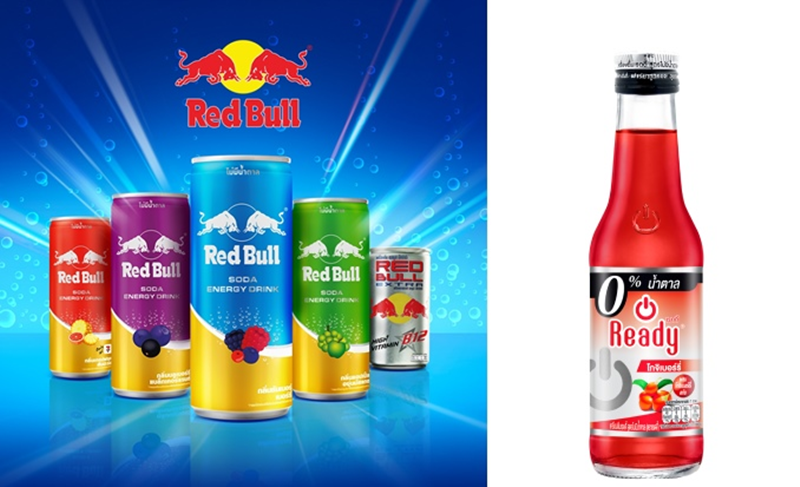
- Sugar intake should be moderated. In an era where health megatrends are prominent, many consumers are concerned about sugar intake while still requiring energy replenishment. TCP Group has therefore developed formulations that address both sweetness control and energy needs, such as Red Bull Energy Soda, a sugar-free energy drink, and sugar-free Ready, which still provide energy along with key ingredients such as taurine and B vitamins to promote refreshment while reducing concerns about sugar.
- Attention to overall health is essential. Beyond beverage selection, regular exercise and the consumption of nutritious main meals remain important for maintaining long-term health.
Summary: Although energy drinks can serve as a suitable option for rapidly boosting energy, individuals should remain attentive to their own physiological responses and follow consumption recommendations, while maintaining appropriate daily intake levels to maximize potential benefits.
Moving Beyond Traditional Perceptions: Energy Drinks as a Source of Energy for Modern Consumers
With a clearer understanding of the facts about energy drinks and appropriate consumption practices, consumers can make informed choices and adapt these beverages to their lifestyles by selecting high-quality options. TCP Group’s energy beverages have moved beyond traditional perceptions through the introduction of diverse product offerings that meet international standards of quality and safety while helping to “boost energy and support bodily balance.”
Ultimately, when individuals understand their own bodies and select suitable formulations, energy beverages can help refresh the body, enhance focus across various tasks, and enable individuals to overcome fatigue with confidence.