


TCP Group Reframes Thai F&B: Designing Businesses to Survive and Move Forward
Bangkok, 15 June 2026 – Today’s food and beverage businesses are facing increasingly complex challenges. It is no longer only about “rising costs” while “purchasing power declines”; businesses are being pressured from all sides by an economy that has yet to fully recover, rapidly changing consumer behavior, fragile supply chains, volatility in energy and raw material costs, new sustainability demands that directly affect business operations, and the need to remain competitive over the long term.
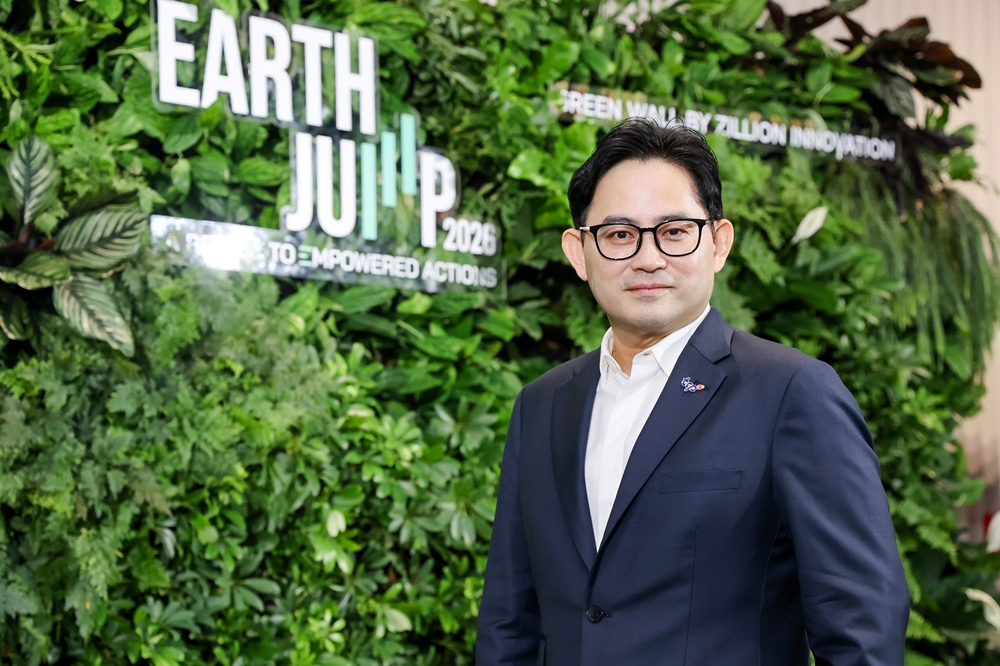
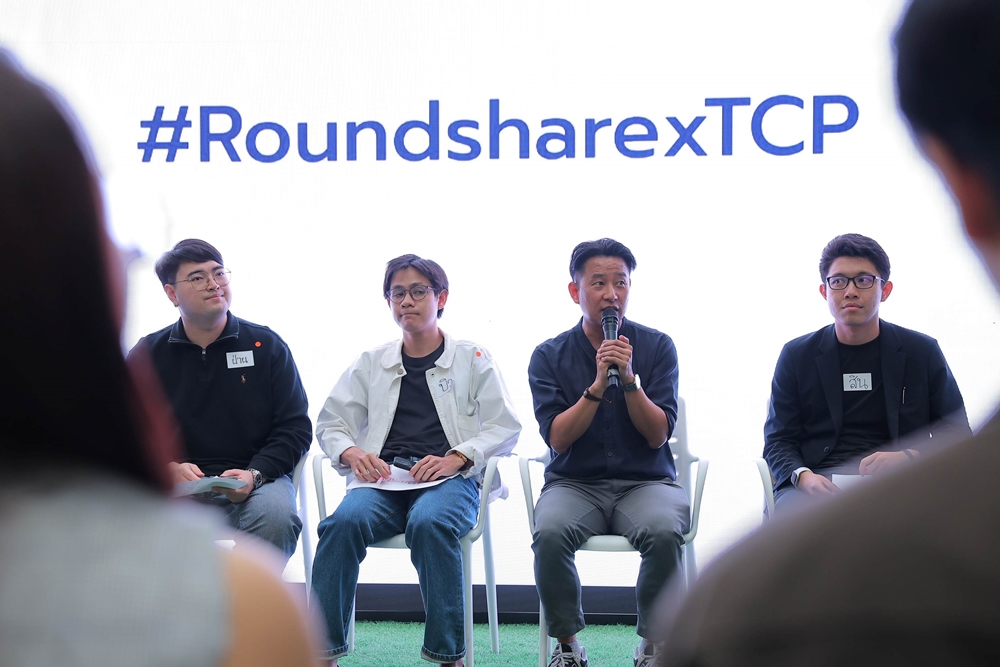
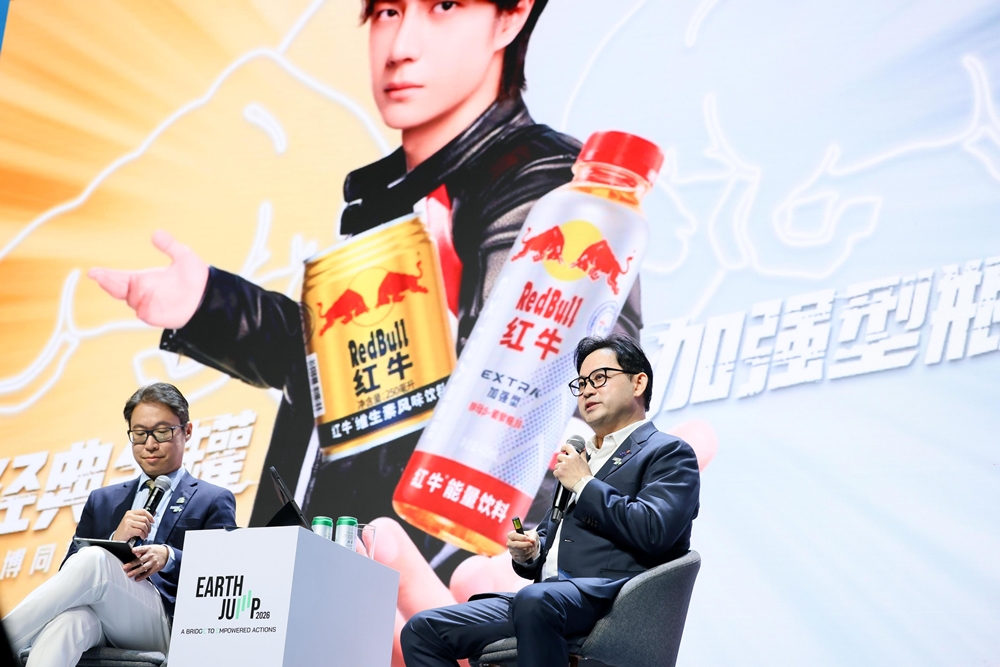
In this age of “polycrisis,” the key question is not simply how businesses can “survive,” but how they can design themselves to “move forward” when uncertainty has become the new normal. At EARTH JUMP 2026: A Bridge to Empowered Actions, Mr. Varawut Pongchinpak, Chief Commercial Officer – Thailand, TCP Group, urged the business sector to look at this challenge through a clearer lens: it is time for F&B companies to move beyond a survival mindset and adopt a forward mindset—one that strengthens the business for long-term growth rather than short-term gains. Today, those who survive are not those who wait for the storm to pass, but those who can adapt quickly, look far enough ahead, and make bold decisions about what truly matters.
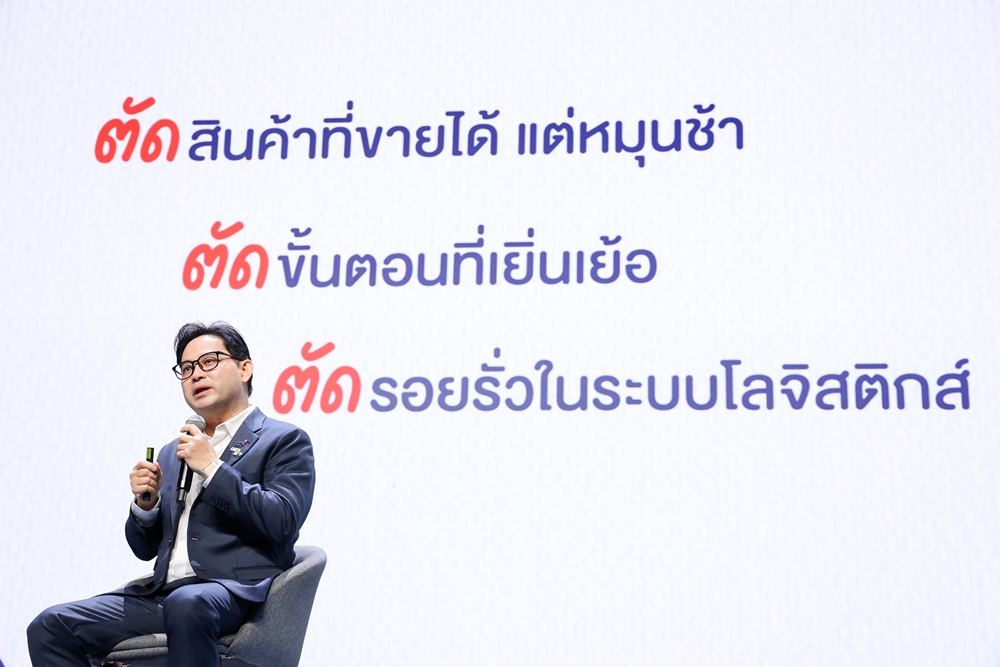
Cut Smart, Not Cut Everything: Cost Reduction Must Not Weaken the Business
In an environment where many organizations are under pressure to control expenses, “cost cutting” is often the first response. But for TCP Group, the more important question is not what can be cut, but which areas can be reduced without weakening the business’s ability to move forward. Mr. Varawut pointed out that the most concerning costs in many organizations may not be the most visible ones, but rather the “hidden costs” embedded within the system. These include products that rely heavily on promotions but do not generate real growth, duplicated work processes, or ways of working that consume more resources than necessary simply because they have been done that way for a long time.
“Cost management should not end at cutting expenses. It must also mean redirecting resources back into areas that will help build the future of the business, whether through technology, data, or new tools that enable sharper decision-making and more agile ways of working,” said Mr. Varawut.
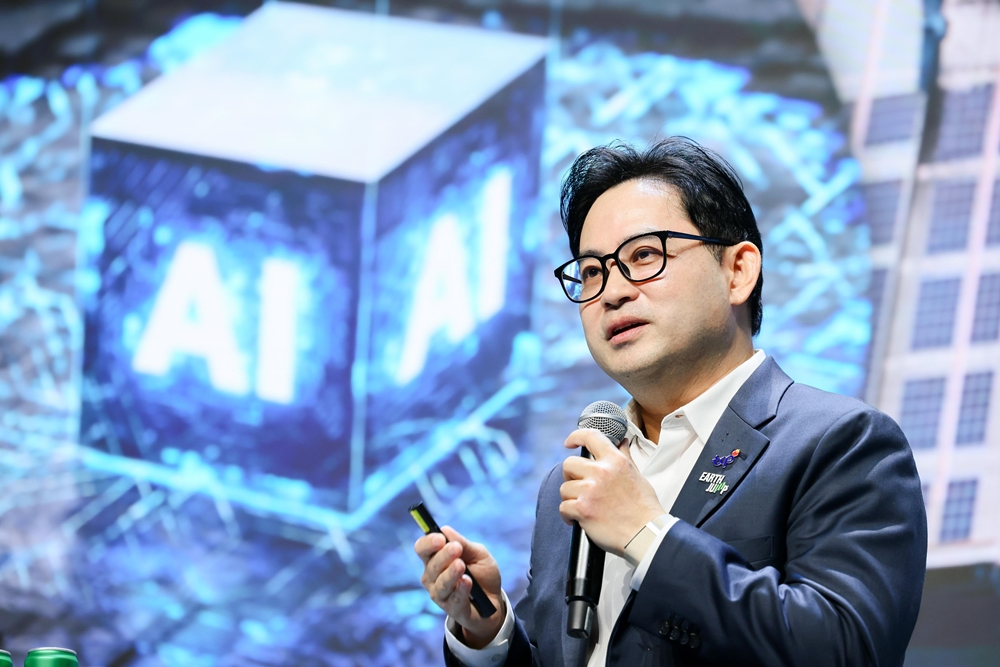
TCP Group cited investment in AI and data as important tools for modern organizations. However, the key is that these technologies must be applied with a clear purpose and supported by talent that is developed to govern and guide their use. No matter how much time AI can help save, businesses still need human judgment to verify, interpret, and make decisions.
At the same time, long-term cost management also requires investment in areas that strengthen business fundamentals. One example is the expansion of Solar Rooftop installations at TCP Group’s Prachinburi plant and at the company’s headquarters. This reflects how, at a time of volatile energy costs, investment in clean energy is not only an environmental agenda, but also a way to build long-term competitiveness.
Businesses That Move Forward Must Design Flexibility Proactively
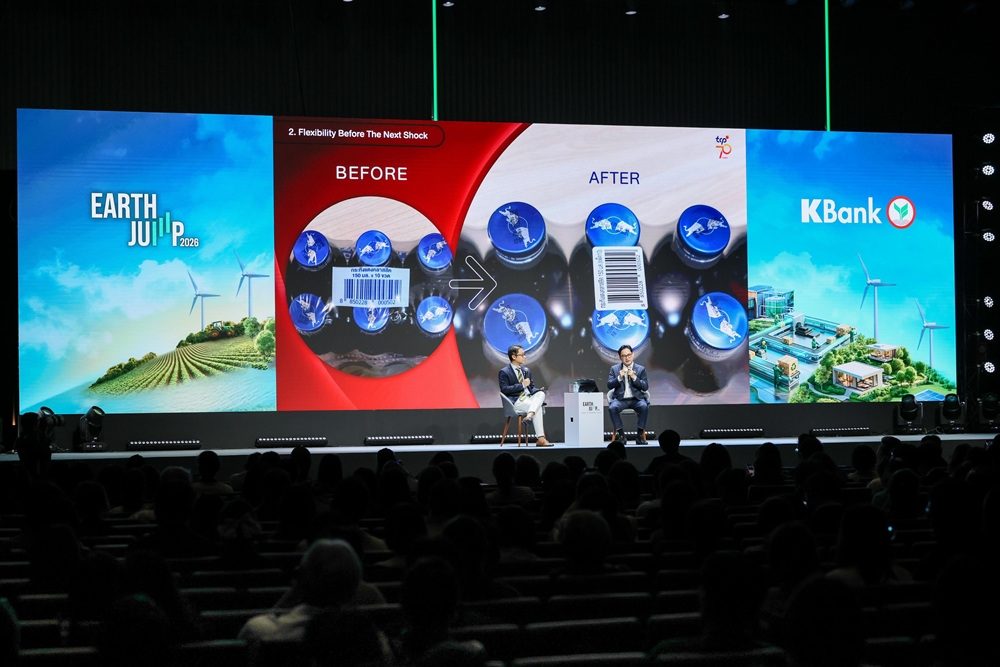
One of the most important lessons for the business world over the past few years is that uncertainty can arise at any time. In many cases, what appears to be the “best value” today may become the most expensive option tomorrow if it disrupts business continuity or prevents the business from moving forward. Mr. Varawut shared an example involving uncertainty in the Middle East, which led to a shortage of raw materials used to produce colored inks, affecting packaging and production processes. TCP Group did not wait for the issue to escalate. Instead, it responded quickly by sourcing alternative inks from Asia and switching to black-and-white barcode stickers to ensure production could continue without interruption.
“This clearly shows that business flexibility is not developed when a crisis arrives. It must be proactively prepared through contingency planning, reduced dependence on a single source, and close collaboration with suppliers. For us, relationships with suppliers should not stop at a buyer-seller role. They must evolve into strategic partnerships, where both sides can see risks together, solve problems together, and look across the entire value chain so that all parties can respond to volatility more quickly,” Mr. Varawut said.
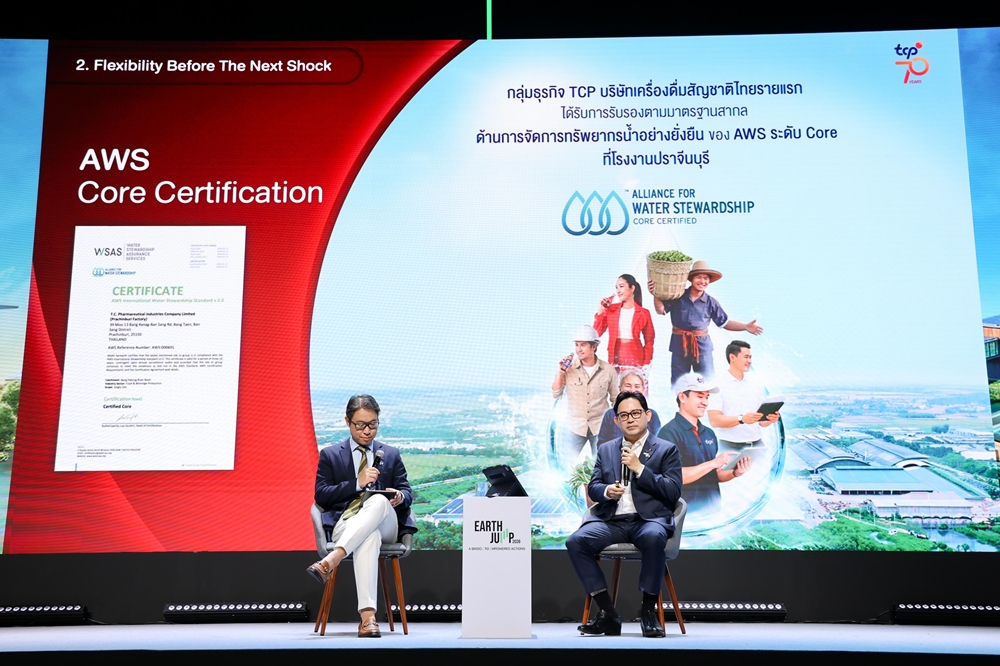
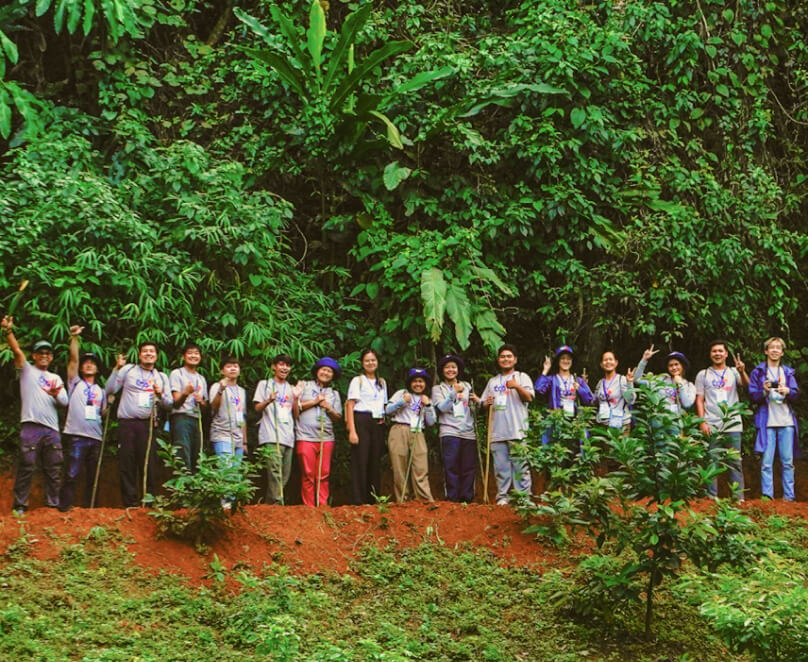
The same thinking also reflects how TCP Group views sustainability, particularly in relation to “water.” The company sees water not only as a critical resource for business operations, but also as a systemic risk that must be managed seriously. TCP Group’s Prachinburi plant has achieved Alliance for Water Stewardship (AWS) Core certification, reflecting effective water management at the plant level. At the same time, the company also works with communities, stakeholders, and the World Wide Fund for Nature (WWF) in the Bang Pakong River Basin to address systemic issues such as seawater intrusion, sluice gate repairs, and the management of water hyacinth in ways that can create economic value for communities.
At the community level, TCP Group has also worked with the Utokapat Foundation under the Royal Patronage of H.M. the King under the TCP Embracing Thailand’s River Basin project to enhance community water management in Dong Khilek community in Prachinburi province and Dong Lakhon community in Nakhon Nayok province. These communities have received recognition as model communities for sustainable water management from the Food and Agriculture Organization of the United Nations (FAO). This reflects that, for TCP Group, water stewardship is not only about managing resources within the production process, but also about building long-term readiness for the business, communities, and the surrounding ecosystem.
More Than One Way to Survive: Diversifying to Create Growth Opportunities
In a world where markets, consumers, and costs are changing at the same time, business vulnerability does not come only from sales performance. It also comes from relying too heavily on any one thing, whether a single product, market, channel, or growth model.
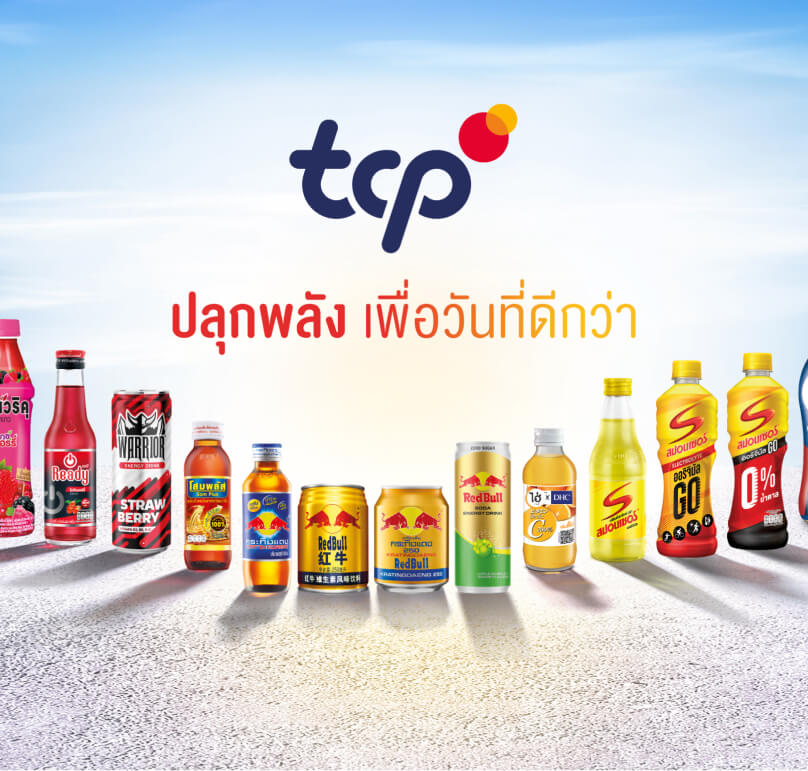
TCP Group therefore places importance on diversification as a strategy to expand its growth base. This ranges from designing a diverse product portfolio across glass bottles, PET bottles, and aluminum cans, to developing formulas and flavors that respond to different consumer segments and distributing products through multiple channels so that the business is not overly dependent on the success of any single option.
International market expansion is another important mechanism. When the economy in one country slows down, growth may still be possible in another market. However, TCP Group believes that sustainable cross-border growth can only happen when it comes with responsibility, including product quality, consumer care, and transparent communication.
“In addition to our product portfolio and markets, we also place importance on building a strong business ecosystem through collaboration with partners and other entrepreneurs. For example, we have participated in the Big Brother Project by the Thai Chamber of Commerce to serve as a mentor and pass on knowledge to Thai entrepreneurs. In today’s business world, the competitiveness of one organization cannot be sustained if the ecosystem around it remains weak,” said Mr. Varawut.
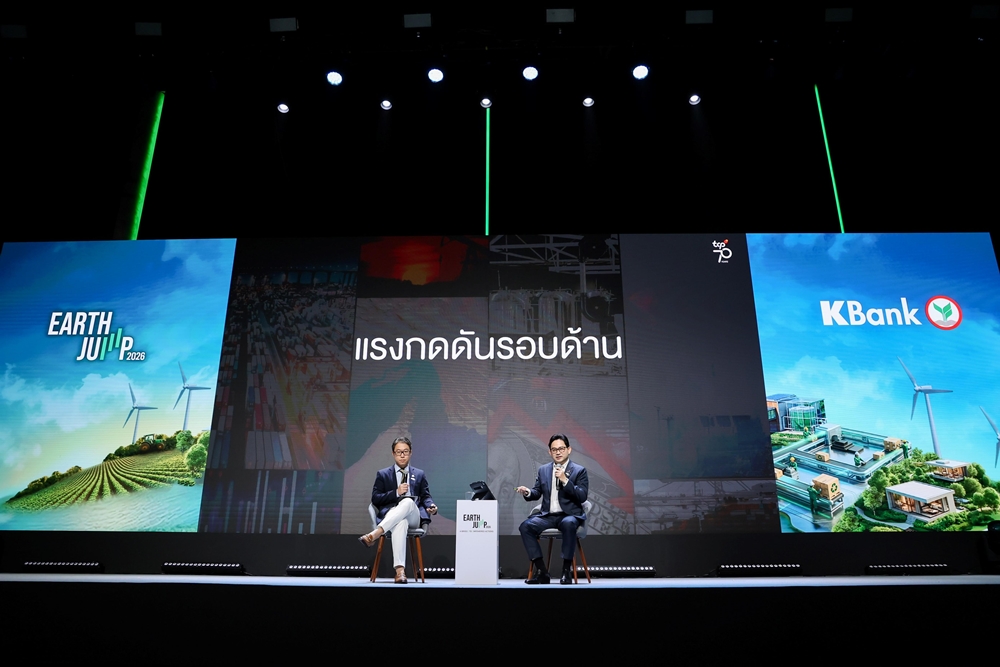
Designing Businesses to Move Forward
The lessons TCP Group has learned over the past 70 years show that the business world has never become easier, and new challenges will continue to test organizations. What businesses must do, therefore, is not merely respond to immediate pressures, but design themselves to be ready for the next shock. This includes cutting costs in the right places, investing in the future, building flexibility into the system, and creating more than one path to survival through products, markets, channels, and partnerships.
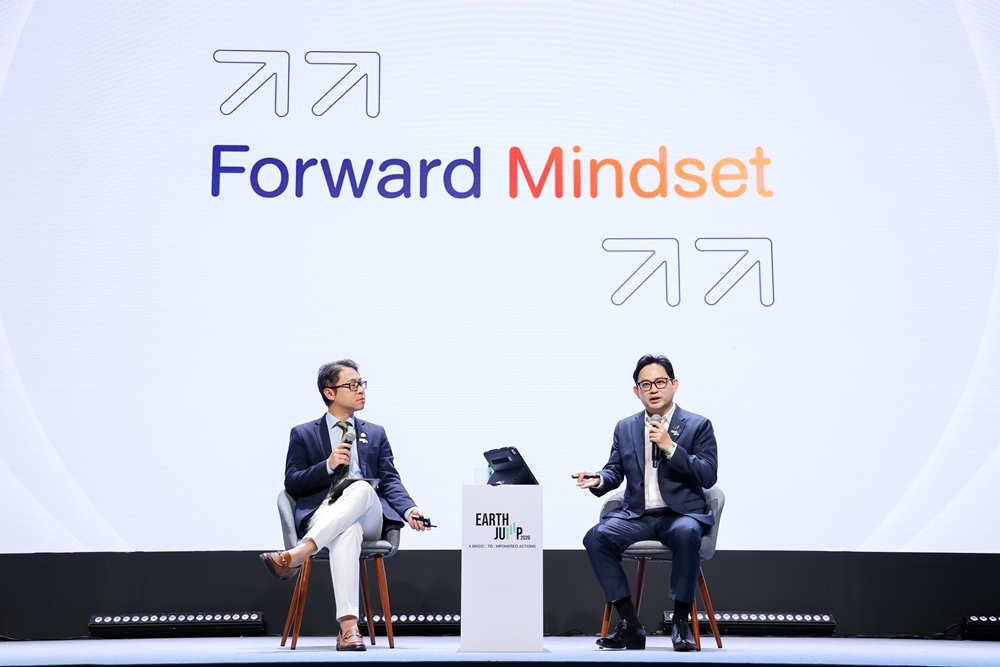
“For TCP Group, this is what it means to shift from a Survival Mindset to a Forward Mindset. It is not about denying crisis, but about accepting that the world will continue to be volatile and choosing to design the business, so it is ready to grow amid that uncertainty. Ultimately, the goal of business today is to move forward stronger than before, and to move forward together with the people, communities, suppliers, and partners who grow alongside us,” said Mr. Varawut.